
Stakeholder Analysis- A Swiss Army Knife for Managers
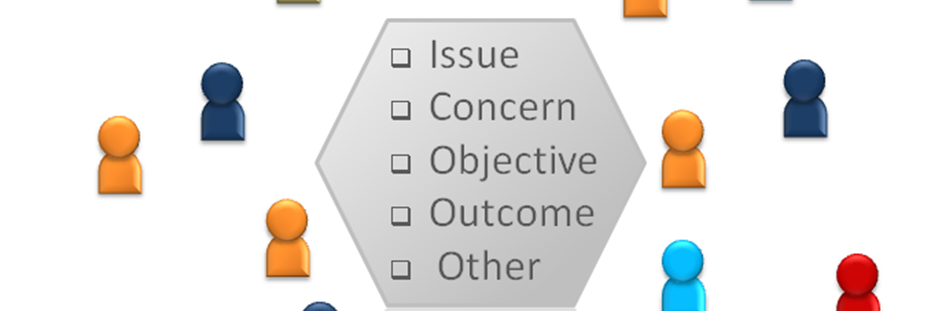
Stakeholder analysis is a great tool to ensure a comprehensive review of those with a stake (e.g., why they care) in those things ranging from the the simple to the complex. We advocate you look for ways to group those with similar-enough needs and preferences, or as the marketers would say segmenting the stakeholders.
Form, Instructions and an Example

After spending days creating an elegant survey instrument, very few people seem to have given much thought to those receiving the request for some of their time. This concept seems to apply to all sorts of data collection, certain types of analysis, or anything which relies on others to complete. Consider including 1) the form, 2) instructions, and 3) an example.
Enterprise View: Collaboration & The Directed Community

During a dicusssion on “how to” best represent collaboration, one of my colleagues simplified the problem as “It’s not about the direction of the information flow, it’s about the number of contributors and the number of information consumers.” So, we began to analyze collaboration as writers (contributors) and readers (information consumers).
Creating better business outcomes through collaboration
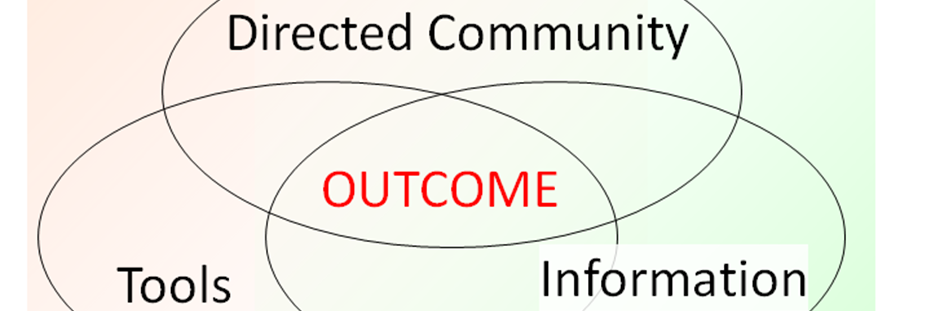
You can create better business solutions and outcomes less expensively by tapping into your company’s collective intelligence through a blended use of traditional and collaborative tools to more easily generate, amend and access information. We show a point-in-time view of collaborative tools, and we consider directed communities in lieu of top down (strategic initiative) project teams
Defining Program Management
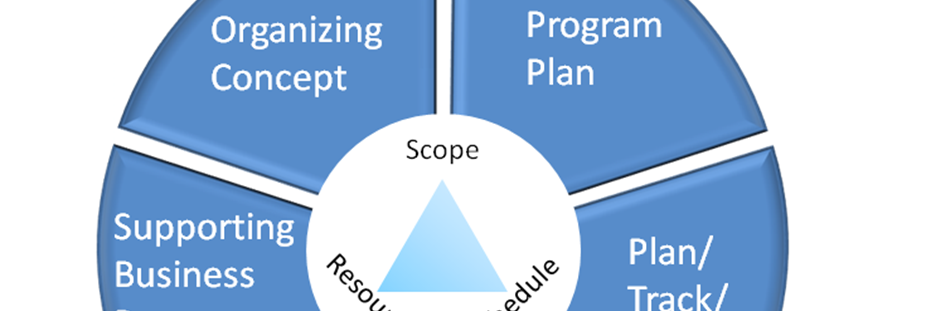
Just as with project management, we only add as much structure as we need to manage our risks. We start at the center of the framework, with the definition of project management. We then “wrap” project management with 5 operating elements of program management (e.g., Program Plan, Plan/Track/Report, Metrics, Supporting Business Processes and Organizing Concept).
The Project Process
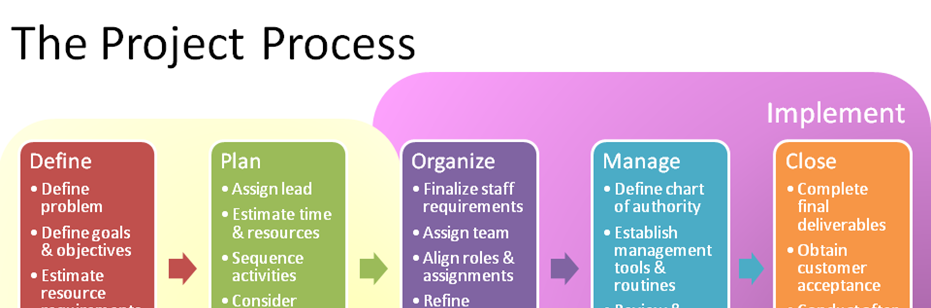
Determining how much structure is needed to manage the project, is to think about the project as a process. The process helps define: What the project’s “customer” wants; How much investment- both resources and time is appropriate to achieve the project outcome. For many years we have use a 5 step project process (define, plan, organize, manage, close).
Defining Project Management
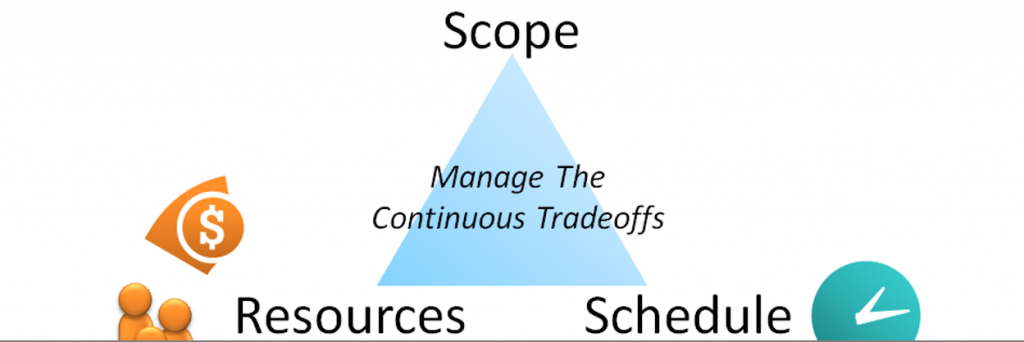
Project management is the continuous management of the trade-offs of scope, schedule and resources. What (scope), When (schedule), and How Much (resources) are the three dimensions which PMI refers to as the “iron triangle.” There are a number of processes you can put in place to support project management, adding only enough structure to manage the risks associated with a specific project.
The Change Formula
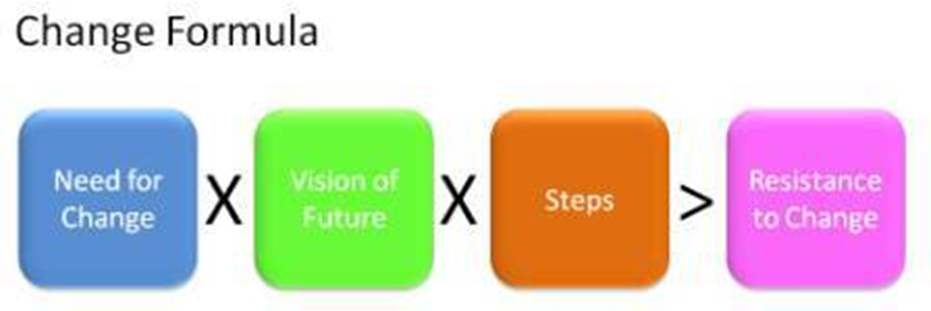
The Change Formula is a single framework appropriate for just about every dimension of management, and particularly managing others. Analogous to an inequality, content must be present in each variable of the formula (need for change X vision of future X steps > resistance to change) to overcome an individual’s natural resistance to change.
General Management Framework
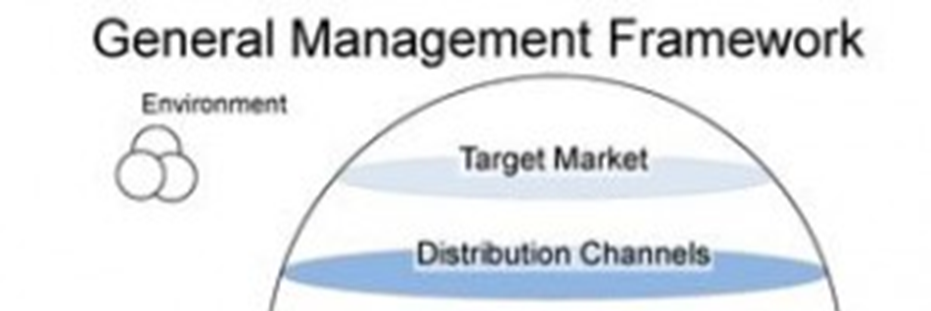
General management framework is comprised of six elements each representing a critical mega-component of the enterprise, including target market; distribution channels; offering; people and capabilities; and, organization. The framework has been successfully used for market analysis and strategic planning in multiple industry verticals.